PCL5 PTSD Symptom Test: Understanding Trauma's Types and Effects
The echoes of difficult experiences can linger long after the events themselves have passed, quietly shaping our thoughts, feelings, and interactions. Understanding these echoes is the first step toward healing. But what is trauma, and how can you begin to make sense of its impact on your life? We'll explore trauma's nature, its various forms, and its lasting effects, while also introducing a tool that can provide initial clarity.
Trauma is a deeply personal experience, and recognizing its presence is a courageous act. If you're seeking to understand your own experiences, a structured self-assessment can be a valuable starting point. The PCL5 assessment is a confidential tool designed to help you reflect on your symptoms.
What Exactly Is Trauma? Defining a Universal Experience
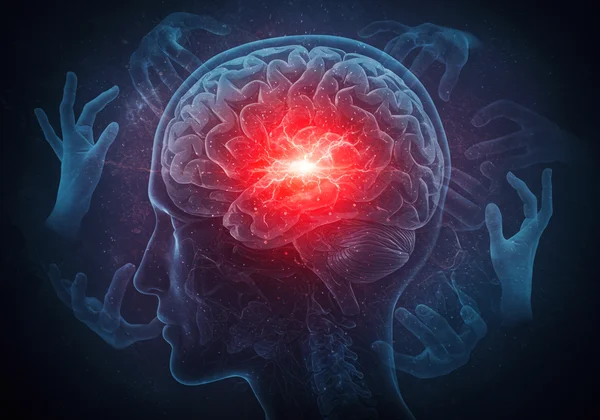
Trauma is more than just a bad memory or a stressful event. It's a response to a deeply distressing or disturbing experience that overwhelms an individual's ability to cope, causing feelings of helplessness and diminishing their sense of self and their ability to feel a full range of emotions. The impact is defined not by the event itself, but by how your nervous system processes it.
More Than Just an Event: The Psychological Definition
Psychologically, an event becomes traumatic when it shatters your fundamental assumptions about safety, trust, and control in the world. It disrupts your internal equilibrium, leaving you feeling vulnerable and unsafe even when the danger has passed. These psychological effects can persist for years, influencing your perception of yourself and others. To truly understand, we must acknowledge how deeply this internal shift affects us.
The Brain's Response: Fight, Flight, Freeze, or Fawn
When faced with a perceived threat, your brain's survival instincts kick in. This automatic trauma response can manifest as fighting back (fight), running away (flight), becoming unable to move or speak (freeze), or attempting to appease the threat (fawn). When a traumatic event occurs, the brain can get stuck in this high-alert state, causing you to re-experience these survival responses long after the event is over.
Exploring the Diverse Landscape of Trauma Types
Trauma is not a monolith; it appears in many forms. Recognizing the different types of trauma can help validate your experiences and provide a clearer language for your journey. Each type carries its own unique challenges and requires a nuanced understanding.
Acute, Chronic, and Complex Trauma Explained
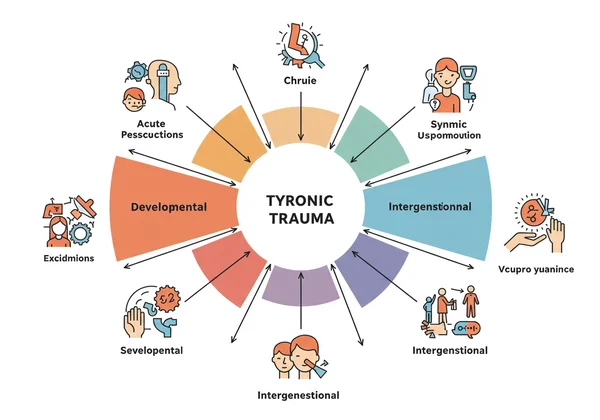
Acute trauma results from a single, isolated incident, such as a car accident or a natural disaster. Chronic trauma stems from repeated and prolonged exposure to distressing events, like ongoing domestic violence or long-term illness. Complex trauma often arises from experiencing multiple, varied, and often interpersonal traumatic events, especially during childhood, which can profoundly impact development and relationships.
Developmental Trauma: Early Experiences, Lasting Impact
When trauma occurs during the crucial formative years of childhood, it is known as developmental trauma. This can include neglect, abuse, or growing up in a chaotic environment. Because a child's brain is still developing, these early experiences can fundamentally alter their sense of self, their ability to form healthy attachments, and their capacity for emotional regulation later in life.
Collective, Intergenerational, and Vicarious Trauma
Trauma can also extend beyond the individual. Collective trauma affects entire communities or societies, such as those impacted by war or historical injustice. Intergenerational trauma is passed down through generations, as the unprocessed pain of ancestors influences the lives of their descendants. Vicarious trauma can affect professionals and caregivers who are exposed to the traumatic stories of others, absorbing their pain secondhand.
The Lingering Impact: Long-Term Effects of Trauma on Life
The long-term effects of trauma can be pervasive, touching every aspect of a person's life, from their health to their relationships. These effects are not signs of weakness but are understandable adaptations to unbearable circumstances. Acknowledging them is a key step in reclaiming your well-being.

Emotional & Psychological Effects: Beyond PTSD
While Post-Traumatic Stress Disorder (PTSD) is a well-known outcome, trauma's impact is much broader. It can lead to anxiety, depression, mood swings, dissociation, and intense feelings of shame or guilt. Many survivors struggle with emotional regulation, finding it difficult to manage their feelings, which can lead to overwhelming emotional states or, conversely, a sense of numbness.
Physical Manifestations: The Mind-Body Connection
The body keeps the score. The chronic stress of unprocessed trauma can manifest physically through the mind-body connection. This can include chronic fatigue, unexplained pain, digestive issues, headaches, and a weakened immune system. These physical symptoms are real and are directly linked to the nervous system's sustained state of high alert.
Relationship Challenges & Social Withdrawal
Trauma can erode the foundations of trust and connection. Survivors may find it difficult to form or maintain healthy relationships, fearing intimacy or expecting betrayal. This can lead to social isolation and a deep sense of loneliness, as protecting oneself by withdrawing feels safer than risking further hurt. Understanding these patterns is crucial, and a confidential PTSD test online can offer a private way to explore these feelings.
Recognizing Trauma's Signs: When to Seek Understanding
Recognizing the signs of trauma in yourself is a significant and often difficult step. It requires self-compassion and a willingness to look at painful experiences. If you're wondering whether your symptoms are connected to past events, there are tools available to help guide your inquiry.
Common Symptoms and How They Relate to PTSD
Many of the long-term effects mentioned above overlap with the core PTSD symptoms. These are often grouped into four clusters: re-experiencing the event (flashbacks, nightmares), avoidance (staying away from reminders), negative changes in thoughts and mood (feeling detached, memory problems), and changes in arousal and reactivity (being easily startled, irritability). If these experiences feel familiar, it may be time to seek more clarity.
The Role of Self-Assessment Tools like PCL5
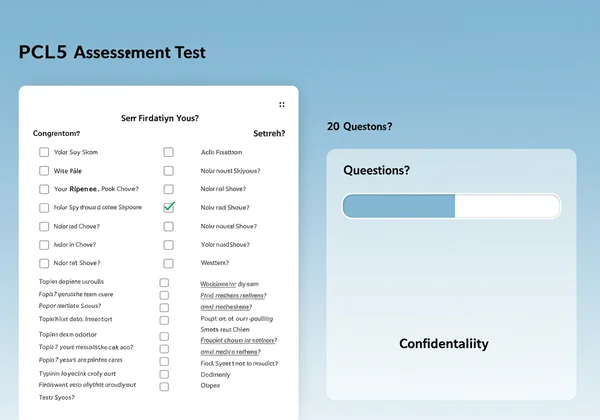
A validated self-assessment tool can provide a structured framework for making sense of your symptoms. The PCL5 (PTSD Checklist for DSM-5) is a respected 20-question screening tool used by clinicians and researchers worldwide. Taking the free PCL5 checklist allows you to confidentially review your experiences over the past month and receive an immediate score, offering a concrete data point for your self-reflection.
Your Path Forward: Understanding Trauma and Seeking Support
Understanding that trauma is a physiological and psychological injury, not a personal failing, is the first step toward compassion for yourself and your journey. Its effects are real and valid, but they do not have to define your future. Healing is possible, and it begins with knowledge.
By learning about trauma, you empower yourself to make informed decisions about your well-being. A tool like the PCL5 can be a powerful ally on this path, providing a private, pressure-free way to assess your symptoms and gain insight.
Ready to take the next step in your journey of self-understanding? Visit our homepage to take the confidential PCL5 assessment and receive your score instantly.
Frequently Asked Questions About Trauma and Assessment
What is PCL5 and how does it relate to trauma?
The PCL5, or PTSD Checklist for DSM-5, is a 20-item self-report questionnaire designed to measure the severity of PTSD symptoms. It directly relates to trauma by asking about specific experiences—like flashbacks, avoidance, and hypervigilance—that individuals may have following a traumatic event. It's a standardized way to screen for symptoms and monitor them over time. You can take the PCL5 assessment here to see how it works.
How is the PCL5 different from other trauma screening tools?
The PCL5 is specifically aligned with the most current diagnostic criteria for PTSD found in the DSM-5, the standard classification of mental disorders used by mental health professionals. Its reliability and validity are well-established in both clinical and research settings. Furthermore, our PCL5 assessment platform offers an optional, AI-driven report that provides personalized insights beyond a simple score, a feature not commonly found elsewhere.
Can a PCL5 score diagnose PTSD?
No, and this is a critical point. The PCL5 is a highly effective screening and monitoring tool, but it is not a diagnostic instrument. A formal diagnosis of PTSD can only be made by a qualified mental health professional, such as a psychologist or psychiatrist, after a comprehensive evaluation. Your score is a starting point for a conversation, not a conclusion.
What age group is the PCL5 test designed for?
The PCL5 is intended for use with adults (18 years and older). Its questions and scoring criteria have been validated for this population. There are different assessment tools available that are specifically designed for children and adolescents who have experienced trauma.