Understanding PTSD Therapy Options After Your PCL5 Assessment
Receiving a PCL-5 score that suggests significant post-traumatic stress symptoms can feel overwhelming, but it's also a pivotal first step toward understanding and healing. If you're wondering, What are the best PTSD therapy options available?, you are not alone, and there is a clear path forward. This guide is designed to walk you through the most effective, research-backed therapies for PTSD, empowering you with the knowledge to choose the right support for your recovery journey.
Navigating the aftermath of trauma is a deeply personal experience, but effective, professional help is available. Understanding your symptoms is the starting point. You can get a confidential measure of your symptom severity with a free PCL5 test. This guide will help you understand the next steps, breaking down the leading evidence-based therapy options so you can move toward healing with confidence.
Understanding Evidence-Based Trauma Therapy Options
When seeking help for PTSD, you'll often hear the term "evidence-based." This isn't just jargon; it's a standard that ensures the treatment you receive has been rigorously tested in scientific studies and proven effective for many people. It means choosing a path that has a high likelihood of helping you manage symptoms and improve your quality of life.
What Makes a Therapy "Evidence-Based"?
For a therapy to be considered evidence-based treatment, it must have substantial research backing its effectiveness. This research typically involves controlled clinical trials where the therapy is compared to other treatments or no treatment at all. Organizations like the American Psychological Association (APA) and the Department of Veterans Affairs (VA) provide clinical guidelines recommending these therapies because they consistently show positive results in reducing PTSD symptoms.
Common Goals of PTSD Treatment
While each therapy approach is unique, they share common goals of PTSD treatment. These goals typically include processing the traumatic event in a safe environment, learning skills to identify and manage triggers, challenging unhelpful beliefs about the trauma, and reducing powerful emotional and physical symptoms. The ultimate aim is to help you regain a sense of control and live a fulfilling life.

Cognitive Processing Therapy (CPT) for PTSD
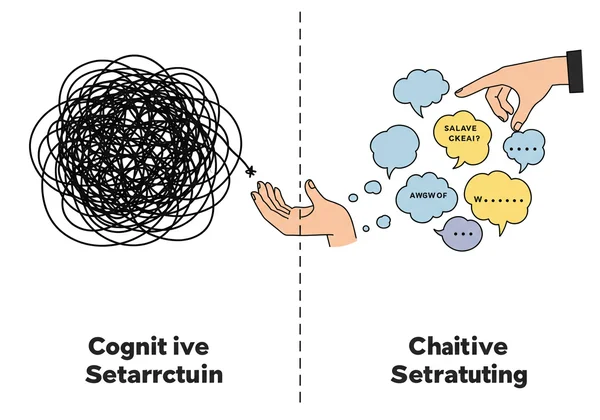
Cognitive Processing Therapy (CPT) is a highly effective, specialized type of cognitive behavioral therapy. It focuses on how the trauma may have changed your thoughts and beliefs about yourself, others, and the world. CPT helps you identify and challenge these negative thought patterns, which are often the root cause of lingering PTSD symptoms.
How CPT Works to Reshape Thoughts and Beliefs
CPT operates on the principle that recovery is hindered by "stuck points"—unhelpful beliefs that keep you trapped in the trauma. You'll learn to reshape thoughts by examining the evidence for and against them. For example, you might move from a belief like "It was my fault" to a more balanced perspective like "I did the best I could with the situation I was in." This cognitive shift can dramatically reduce feelings of guilt, shame, and fear.
What to Expect During CPT Sessions
During CPT sessions, which typically last for about 12 weeks, you will work closely with a therapist. You’ll talk about the traumatic event and write about its impact on your life. The therapist will guide you in learning skills to question your stuck points and develop more adaptive beliefs. This structured process provides the tools to become your own therapist over time. If you're considering this path, understanding your specific symptoms through a PCL5 questionnaire can provide a valuable baseline.
Prolonged Exposure (PE) Therapy: Facing Trauma Safely
Prolonged Exposure (PE) therapy is another gold-standard treatment that helps people gradually approach trauma-related memories, feelings, and situations they have been avoiding. Avoidance provides temporary relief but ultimately strengthens fear and keeps you from healing. PE works by systematically and safely breaking this cycle.
The Principles Behind PE: Habituation and Emotional Processing
PE is based on two core principles. The first is habituation, the idea that your anxiety will naturally decrease over time as you repeatedly confront a feared but safe memory or situation. The second is emotional processing, which helps you make sense of the trauma and attach new, more realistic meanings to the experience. This process teaches your brain that the memories themselves are not dangerous.
In-Session and In-Vivo Exposure: What Does It Involve?
Treatment involves two types of exposure. In-session exposure involves recounting the traumatic memory with your therapist in a controlled environment. The other component is in-vivo exposure, or "real-life" exposure, where you gradually re-engage with safe situations or activities you've been avoiding, like going to a grocery store or driving. Your therapist will create a manageable hierarchy of tasks to ensure you build confidence without becoming overwhelmed.
Eye Movement Desensitization and Reprocessing (EMDR)
EMDR therapy is a unique, phased approach that helps people heal from trauma by enabling the brain to process distressing memories effectively. Unlike other talk therapies, EMDR does not require you to describe the traumatic event in detail. Instead, it uses bilateral stimulation to help your brain resume its natural healing process.
Unpacking the EMDR Process: Phases and Bilateral Stimulation
The EMDR process involves eight phases of treatment. A key component is bilateral stimulation, which often involves the client following the therapist's hand movements with their eyes, or using auditory tones or taps. While you focus on the traumatic memory, this stimulation helps the brain reprocess it, making the memory less vivid and emotionally charged. The goal is to store the memory in a way that no longer causes distress.

Who Can Benefit Most from EMDR?
Many people find EMDR particularly helpful, especially those who struggle to talk about their trauma extensively. The EMDR benefits are well-documented for single-incident traumas as well as more complex traumatic histories. A clear understanding of your symptom profile, which you can get from an online PTSD test, can help you and a potential therapist decide if EMDR is a suitable option for you.
Exploring Other Effective PTSD Treatments
While CPT, PE, and EMDR are often considered front-line treatments, several other approaches can play a crucial role in a comprehensive recovery plan. The best types of PTSD treatment are often tailored to an individual’s specific needs, preferences, and symptom presentation.
The Role of Medication in PTSD Management
Medication for PTSD, particularly SSRIs and SNRIs, can be very effective in managing core symptoms like anxiety, depression, and irritability. Medication is often used in combination with therapy to help stabilize mood and make it easier to engage in the therapeutic process. A psychiatrist or medical doctor can help determine if this is a good option for you.
Group Therapy and Peer Support for Healing
Connecting with others who have similar experiences can be incredibly validating. Group therapy and peer support provide a safe space to share stories, learn coping skills, and reduce the feelings of isolation that often accompany PTSD. Knowing you are not alone on this journey is a powerful component of healing.
Complementary Approaches (e.g., Mindfulness, Yoga)
Many people find that complementary approaches enhance their primary therapy. Practices like trauma-informed yoga, mindfulness meditation, and acupuncture can help regulate the nervous system, reduce hypervigilance, and foster a greater sense of connection between mind and body.
Finding the Right PTSD Therapist for Your Journey
Choosing a therapist is one of the most important decisions you will make. The therapeutic relationship is a key predictor of success, so finding someone you trust and feel comfortable with is essential. A great first step is to get your PCL5 score to have specific information to share with potential providers.
Key Qualities to Look for in a Trauma Therapist
When searching for a provider, look for specific qualities in a therapist. They should have specialized training and experience in treating trauma and be certified in one of the evidence-based models mentioned above. Look for someone who is patient, compassionate, and collaborative, treating you as an active partner in your own recovery.
Essential Questions to Ask Potential Therapists
Don't be afraid to interview potential therapists. Prepare a list of questions for therapists before your first consultation. Ask about their experience with PTSD, the types of therapy they practice, and what a typical session looks like. This will help you gauge if their approach aligns with your needs and comfort level.
Resources for Locating Qualified Professionals
There are several reliable resources for finding professionals. Organizations like the International Society for Traumatic Stress Studies (ISTSS), the EMDR International Association (EMDRIA), and national psychological associations often have directories of qualified trauma therapists. Your primary care doctor can also provide a referral.

Moving Forward: Your Journey to Lasting Healing
You've gained valuable insight into the diverse world of PTSD therapy. Remember, your journey to recovery is unique, and selecting the right evidence-based treatment is a powerful step forward. Evidence-based treatments like CPT, PE, and EMDR offer proven pathways to reduce symptoms, process trauma, and reclaim your life. Remember, healing is not about erasing the past but about integrating it in a way that no longer controls your present. Recovery is possible, and you deserve the right support.
Understanding your starting point is key. If you haven't already, take our free, confidential PCL-5 assessment to get your severity score. These results, along with our optional AI-driven report, can provide personalized insights to inform your therapy journey and help you take that next, powerful step towards healing.
Common Questions About PTSD Therapy & Your PCL5 Score
What is a high PCL5 score, and what does it mean for therapy?
A PCL-5 score of 31-33 is often considered a preliminary cutoff for indicating significant PTSD symptoms that may warrant clinical attention. A high score doesn't mean you are "broken"; it simply means you are experiencing a level of distress for which professional therapy is highly recommended. Bringing your score to a therapist can provide them with a clear, standardized starting point for your assessment and treatment planning.
Can the PCL5 diagnose PTSD?
No, the PCL-5 is a screening tool, not a diagnostic tool. While it is a highly reliable measure of PTSD symptom severity based on DSM-5 criteria, a formal diagnosis can only be made by a qualified mental health professional after a comprehensive clinical evaluation. The results from an online PCL5 assessment are an excellent way to prepare for that conversation.
How long does PTSD therapy typically last?
The duration of therapy varies greatly depending on the individual, the type of therapy, and the complexity of the trauma. Many evidence-based treatments, like CPT and PE, are designed to be relatively short-term, often lasting between 12 to 20 sessions. However, the most important factor is progressing at a pace that feels safe and effective for you.
What should I look for in a PTSD therapist?
Look for a licensed mental health professional (like a psychologist, psychiatrist, or licensed clinical social worker) with specific training and certification in evidence-based trauma therapies such as CPT, PE, or EMDR. Equally important is finding someone you feel a strong, trusting connection with, as the therapeutic alliance is fundamental to successful outcomes.