PTSD Trauma Types and PCL5 Score Meaning
Have you ever wondered if the nature of a traumatic event changes how Post-Traumatic Stress Disorder (PTSD) shows up? You might have taken a PTSD assessment and are now trying to make sense of your score. Does a score of 45 mean the same thing for a combat veteran as it does for a car accident survivor? The answer is complex, and it lies in understanding the context behind the numbers.
This guide explores the connection between different PTSD trauma types and what your PCL-5 score might signify. The PCL-5, or PTSD Checklist for DSM-5, is a standard tool used to measure PTSD symptoms. While the score itself is a crucial starting point, the story behind it—the type of trauma experienced—adds essential layers of meaning.
Understanding these nuances is the first step toward clarity and healing. To begin this journey of self-discovery, you can take a confidential PCL-5 assessment on our platform. The test is free, and your results can provide a valuable baseline. For a deeper understanding, consider using our free online PCL-5 assessment to get your score and personalized insights.

Understanding the PCL5 Assessment Basics
Before we connect scores to trauma types, it’s important to understand the tool itself. The PCL-5 is more than just a quiz. It's a carefully designed instrument used by individuals, clinicians, and researchers to screen for and monitor PTSD symptoms. Getting familiar with its purpose will help you interpret your results more effectively.
What is the PCL5 and How Does It Work?
The PCL-5 is a 20-question self-report assessment. It asks you to rate how much you've been bothered by specific problems in the past month. These questions are based on PTSD criteria in the Diagnostic and Statistical Manual of Mental Disorders, 5th Edition (DSM-5)—the standard used by mental health professionals.
Its primary function is to serve as a preliminary screening tool. It helps identify individuals who might benefit from a more thorough clinical evaluation for PTSD. It is not a diagnostic tool on its own. A high score suggests that you are experiencing significant symptoms and should consider speaking with a mental health professional. The PCL-5 provides a severity score, offering a snapshot of your current distress level.
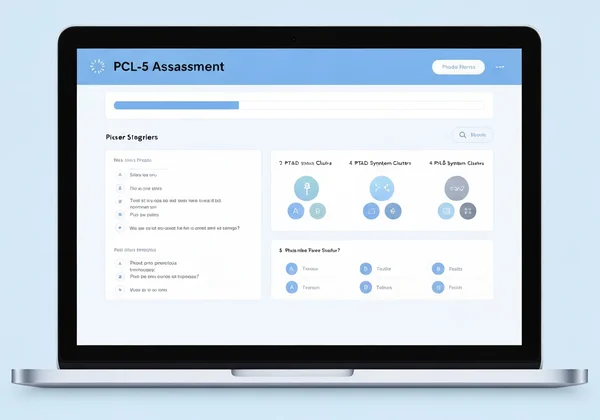
Structure of the PCL5: 20 Questions Assessing PTSD Symptoms
The 20 questions on the PCL-5 are organized into four distinct groups, or "clusters," that represent the core symptom categories of PTSD. Understanding these clusters helps you see which aspects of post-traumatic stress are affecting you most.
- Intrusion Symptoms (Cluster B): Unwanted upsetting memories, nightmares, or flashbacks.
- Avoidance Symptoms (Cluster C): Efforts to avoid trauma-related thoughts, feelings, or external reminders.
- Negative Alterations in Cognitions and Mood (Cluster D): Distorted beliefs about oneself or the world, persistent negative emotions, and loss of interest in activities.
- Alterations in Arousal and Reactivity (Cluster E): Irritable behavior, hypervigilance, difficulty sleeping, or an exaggerated startle response.
By answering the questions, you create a profile that highlights your unique symptom pattern. You can discover your own pattern by taking the PCL-5 test online.
How Different Trauma Types Influence PCL5 Scores
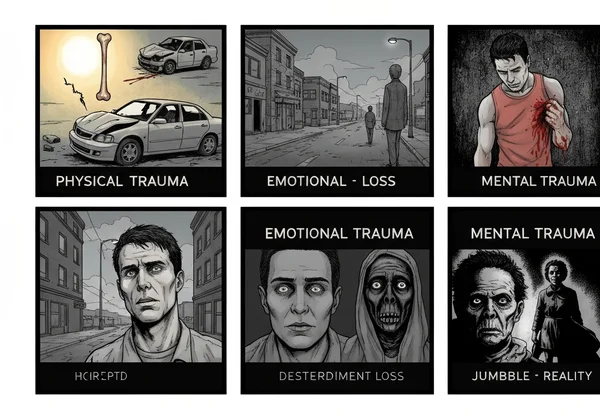
Trauma is not a one-size-fits-all experience. The circumstances surrounding a traumatic event can profoundly shape the resulting PTSD symptoms. While any trauma can lead to PTSD, certain types often produce distinct patterns in PCL-5 scores. This section explores how different traumas might influence your results.
Combat Trauma and Its Distinct PCL5 Profile
Combat exposure is one of the most studied causes of PTSD. Service members and veterans often face prolonged or repeated exposure to life-threatening situations. This can lead to a specific symptom profile.
Individuals with combat-related PTSD often report high scores in the Arousal and Reactivity cluster (Cluster E). Symptoms like hypervigilance (being constantly on guard), an exaggerated startle response, and irritability can be particularly pronounced. This is often a result of training and experiences where constant threat assessment was necessary for survival. They may also show significant Intrusion symptoms (Cluster B), such as recurring, distressing memories of combat events. Understanding this profile is a key step in seeking appropriate support.
Abuse-Related Trauma and PCL5 Response Patterns
Trauma from interpersonal violence, such as physical, emotional, or sexual abuse, often involves a betrayal of trust. This context can lead to a different set of prominent symptoms. Survivors of abuse frequently score high in the Negative Alterations in Cognitions and Mood cluster (Cluster D).
This can manifest as intense feelings of guilt or shame, a distorted sense of self-worth, and difficulty trusting others. They might struggle with persistent negative emotions like fear, anger, or horror. Because the trauma was inflicted by another person, it can deeply impact one's view of relationships and personal safety. These cognitive and emotional symptoms often become a central part of their experience.
Accident and Disaster-Related PTSD and Scoring Variations
Sudden, unexpected events like serious car accidents, natural disasters, or industrial incidents can also lead to PTSD. The traumatic experience is often shocking and random, which can shape the resulting symptoms.
People who experience this type of trauma often report high scores in the Intrusion (Cluster B) and Avoidance (Cluster C) clusters. They may experience vivid flashbacks of the event and actively avoid reminders, such as refusing to drive a car after an accident. While they may also experience symptoms from other clusters, the re-experiencing and avoidance patterns are frequently the most disruptive parts of their daily lives. If you suspect you have these symptoms, you can start your test to gain clarity.
Interpreting Your PCL5 Score in Context
Receiving a PCL-5 score is just the beginning. The number itself—whether it's 15, 35, or 65—is a data point. Its true meaning comes from placing it within the context of your life and your specific traumatic experience. A score is not a label; it's a guide for understanding and action.
PCL5 Score Severity Ranges: What They Really Mean
The PCL-5 yields a total severity score ranging from 0 to 80. While different studies may use slightly different cutoffs, a common interpretation is as follows:
- 0-32: Symptoms may be present but are often considered below the threshold for a potential PTSD diagnosis.
- 33-37: A provisional cutoff score suggesting a possible PTSD diagnosis. Further clinical assessment is recommended.
- 38 and above: Indicates moderate to severe PTSD symptoms. Seeking professional help is strongly advised.
It is crucial to remember these are guidelines. A score below 33 does not mean your suffering is invalid. A score above it is not a definitive diagnosis. It's a measure of symptom severity, designed to help you and professionals gauge the level of distress.
Beyond the Numbers: How Trauma Context Changes Score Meaning
This is where everything comes together. Two people can have the exact same PCL-5 score of 40, but their experiences and needs may be completely different.
For example, a veteran with a score of 40 might primarily struggle with hypervigilance and nightmares (Arousal and Intrusion). Their path to healing may focus on grounding techniques and managing reactivity. In contrast, a survivor of childhood abuse with a score of 40 might grapple with deep-seated shame and difficulty forming relationships (Negative Cognitions and Mood). Their therapy might focus more on rebuilding self-worth and trust.
A simple score is not enough. Our platform recognizes this by offering an optional, AI-driven report after you see your results. This report helps you connect your score to your personal context, providing insights tailored to your unique situation.
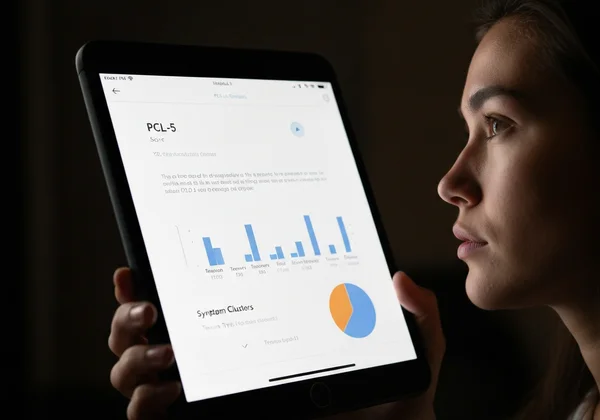
Disclaimer: This website and the PCL-5 test are screening tools. They are not a substitute for a professional diagnosis from a licensed medical doctor or mental health expert. The information provided here is for educational purposes only.
FAQ Section
Can the same PCL5 score indicate different levels of severity depending on the trauma type?
While the numerical score represents a consistent measure of symptom distress, its impact on daily functioning can vary. For example, a moderate score driven by avoidance symptoms after an accident might severely limit a person's ability to work or travel. A similar score driven by internal mood changes from abuse might be less visible but cause profound emotional suffering. The "severity" is both a number and a real-world experience.
Why do some trauma types show higher scores in certain PCL5 symptom clusters?
Different traumas challenge our minds and bodies in different ways. Combat trauma primes the nervous system for threat, leading to high Arousal scores. Interpersonal trauma attacks one's sense of self and safety in relationships, often leading to high Negative Cognitions and Mood scores. The nature of the event directly shapes the brain's response and the resulting symptom pattern.
How accurate is the PCL5 assessment for different trauma types?
The PCL-5 is a well-validated tool proven effective across a wide range of trauma populations. This includes veterans, sexual assault survivors, and accident victims. It is considered a reliable instrument for screening for PTSD symptoms regardless of the trauma type. Its accuracy lies in measuring the 20 DSM-5 symptoms, which are common to PTSD from any cause.
Does trauma timing affect PCL5 scoring results?
Yes, the timing of trauma can be a factor. For instance, trauma experienced in childhood (developmental trauma) can lead to more complex symptom patterns, sometimes called Complex PTSD (C-PTSD). This may manifest differently on the PCL-5. The PCL-5 specifically asks about symptoms in the "past month," so it provides a current snapshot. However, the history of the trauma certainly influences that snapshot. To explore your current symptoms, you can begin the PCL-5 assessment at any time.
Next Steps: Using Your PCL5 Insights
Understanding that your PCL-5 score is influenced by your specific trauma type is a powerful insight. It moves you beyond a simple number toward a more compassionate understanding of your experience. Your symptoms aren't random—they're a logical, though painful, response to what you've endured.
This knowledge empowers you to take the next step.
- Gain Clarity: If you haven't already, use this newfound understanding to inform your self-assessment.
- Seek Context: Remember that a score is just one piece of the puzzle. The context of your trauma provides the rest of the picture.
- Take Action: Use your results as a starting point for a conversation with a therapist, counselor, or doctor.
Finding your path after trauma can feel overwhelming, but you don't have to do it alone. The PCL-5 can help illuminate your next steps with clarity and purpose.
Ready to understand your own story? Take the confidential PCL-5 test now and unlock the insights you need to move toward healing.