Physical Manifestations of PTSD: How Trauma Can Show Up in the Body
The physical manifestations of PTSD can be confusing because they often feel like "just stress," a medical problem, or a sudden wave of panic that seems to arrive from nowhere. Yet trauma responses can involve the whole nervous system: heartbeat, breathing, sleep, digestion, muscle tension, alertness, and energy. This guide explains common trauma response physical symptoms in plain English, while keeping an important boundary in view: body signals can help you notice patterns, but they are not proof of any condition by themselves. If you want a structured way to reflect on PTSD symptom patterns over the past month, a free PCL-5 self-assessment can be one educational starting point to discuss with a qualified professional when needed.
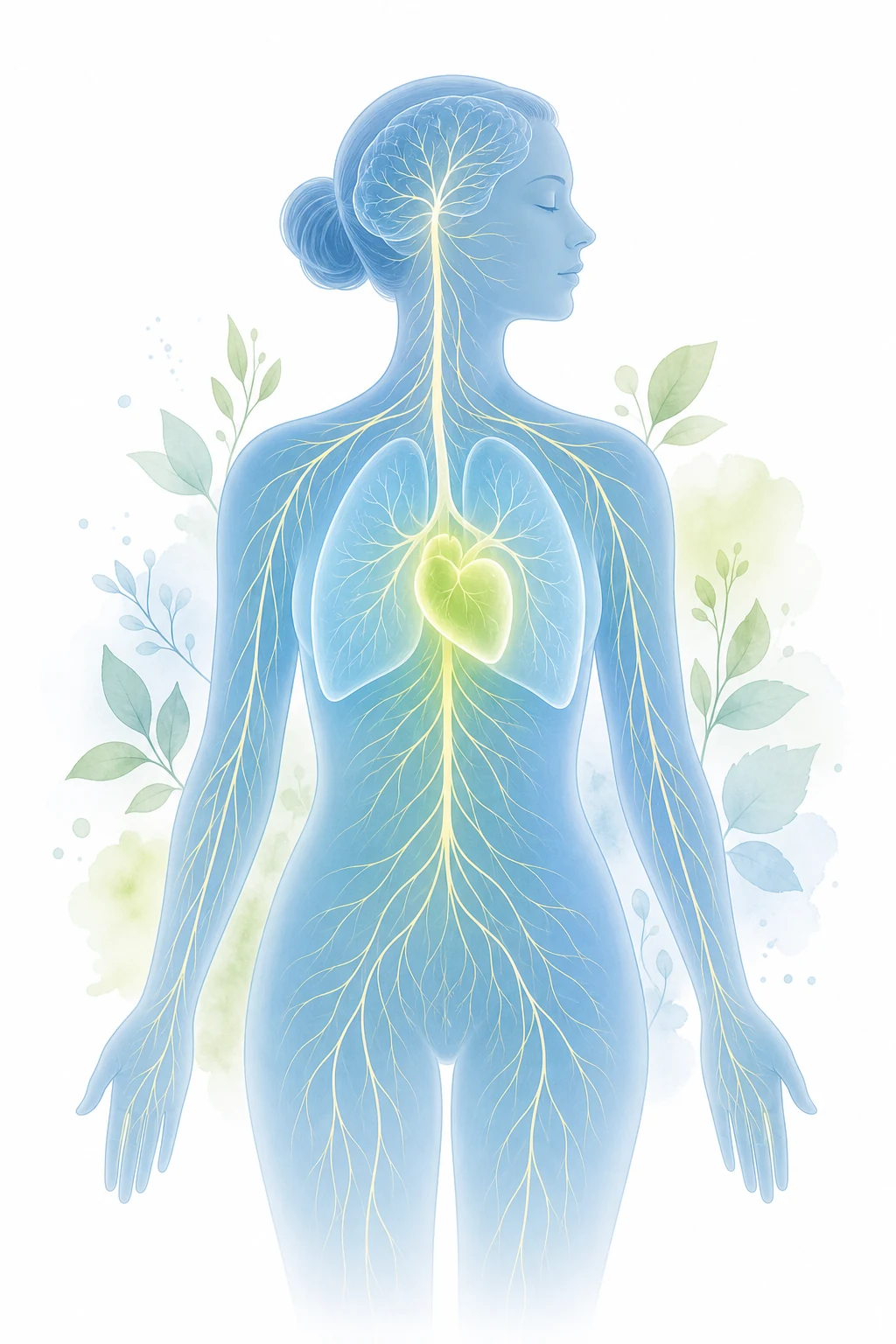
Why PTSD Can Feel Physical
PTSD is often discussed as memories, nightmares, avoidance, or emotional distress, but the body is part of the same trauma response system. When a person has been through, witnessed, or learned about an extremely threatening event, the brain and body may become faster at detecting danger. That can be useful during a real emergency. The difficulty comes when reminders of the trauma activate that system even when the present moment is safer.
This is why a sound, smell, date, place, tone of voice, news story, or body sensation can set off a strong physical reaction. The body may prepare to fight, flee, freeze, or stay on guard. Heart rate can rise. Muscles can tighten. Breathing can become shallow. The stomach can feel unsettled. Sleep can become lighter because the mind is scanning for danger.
These reactions do not mean someone is weak or overreacting. They also do not mean every physical symptom is trauma-related. Chest pain, fainting, severe shortness of breath, neurological symptoms, persistent pain, or major changes in appetite or weight deserve medical attention. A trauma-informed view should add context, not replace basic health care.
Common Trauma Response Physical Symptoms
Physical symptoms vary from person to person. Some people notice clear surges after triggers. Others experience a quieter pattern of fatigue, tension, and poor sleep. Common PTSD trauma response symptoms can include:
- Fast heartbeat, pounding heart, or a sense of pressure during reminders.
- Sweating, trembling, shaking, hot flashes, or chills.
- Rapid, shallow, or tight breathing.
- Stomach pain, nausea, appetite changes, or digestive upset.
- Headaches, jaw clenching, shoulder tension, or body aches.
- Trouble falling asleep, staying asleep, or waking from nightmares.
- Exhaustion after a trigger, even if the reaction looked calm from outside.
- Feeling jumpy, easily startled, restless, or unable to fully settle.
- Trouble concentrating because the body feels busy monitoring safety.
The physical manifestations of PTSD can overlap with anxiety, panic, depression, chronic stress, medication side effects, sleep disorders, and medical conditions. That overlap is one reason it helps to track timing and context. Does the symptom appear after reminders? Does it happen at the same time of day? Does it reduce after grounding, rest, or leaving a triggering environment? Patterns cannot answer every question, but they can make a conversation with a clinician more specific.

Trauma Response vs PTSD: What Is the Difference?
"Trauma response" is a broad phrase. Many people have stress reactions after a frightening or overwhelming event: poor sleep, sadness, anger, intrusive thoughts, tension, or feeling on edge. For many, these reactions ease with time, support, safety, and care.
PTSD is more specific. It generally refers to a lasting pattern of symptoms after trauma that interferes with life over time. Educational sources often describe four broad features: intrusive experiences, avoidance, negative changes in thoughts or mood, and changes in arousal and reactivity. That last group is where many physical reactions show up, including startle response, sleep trouble, irritability, concentration problems, and a body that feels constantly ready for danger.
The difference is not just whether the body reacts. It is the pattern, duration, intensity, trauma link, and daily-life impact. Someone can have strong physical stress responses without meeting the full picture of PTSD. Someone else may have PTSD with symptoms that look more emotional, relational, or cognitive than visibly physical.
The safest way to think about the distinction is this: trauma responses are signals worth understanding, and PTSD is a broader clinical pattern that requires careful evaluation. A self-report tool can organize what you notice, but it should not be treated as the final word.
What a PTSD Response to Triggers May Feel Like
A PTSD response to triggers can be immediate or delayed. Some people know the exact reminder. Others only realize later that a body reaction followed a difficult cue. A trigger response may include:
- A sudden shift in alertness: scanning the room, needing an exit, feeling watched, or feeling unable to relax.
- A body surge: racing heart, shaky hands, tight chest, sweating, nausea, or a feeling of heat.
- A mental shift: images, fragments, fear, anger, shame, or a sense that the past is close.
- A behavior impulse: leaving, freezing, checking, arguing, isolating, numbing, or trying to control the environment.
- A recovery phase: fatigue, headache, soreness, embarrassment, sadness, or confusion.
These phases are not a rule. They are a simple map. The point is to notice that the physical reaction may be only one layer of a larger trauma response. For example, a person might report stomach pain before realizing they were exposed to a reminder. Another person may feel exhausted the day after a family conversation because the body stayed activated for hours.
If you use an online PCL-5 symptom checklist, pay attention to the items that connect body state with arousal, sleep, startle, concentration, and reminders. The PCL-5 is useful because it organizes symptoms across the past month rather than only capturing how you feel in one intense moment.
Complex PTSD Physical Symptoms and Episode Patterns
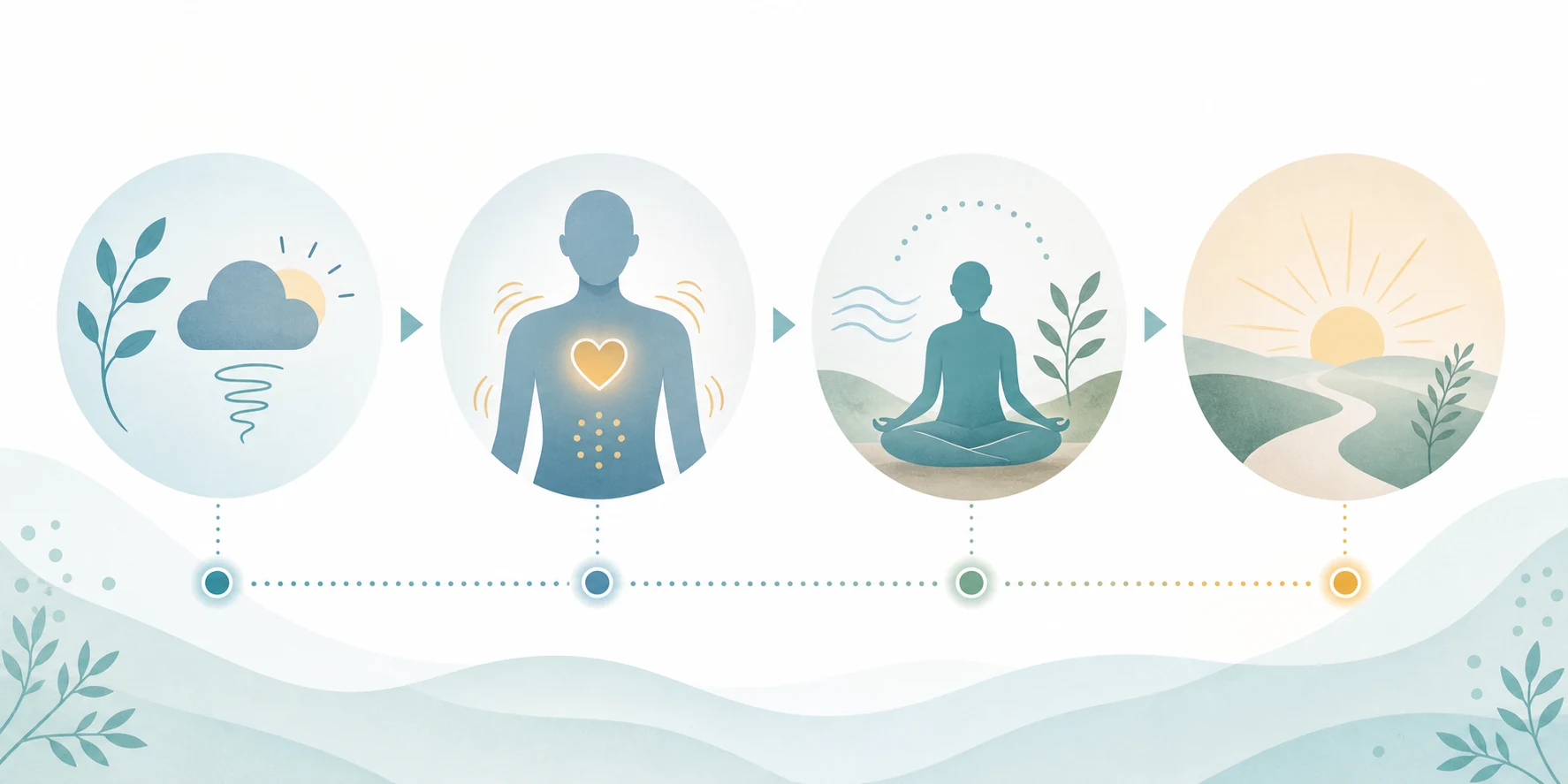
Complex PTSD is often discussed when trauma was repeated, prolonged, interpersonal, or difficult to escape, such as chronic childhood abuse, captivity, coercive control, or long-term violence. Not every person with those histories has complex PTSD, and the term is used differently across systems and clinicians. Still, people searching for complex PTSD physical symptoms are often trying to describe a wider body pattern than a single trigger surge.
For some, complex PTSD episode symptoms may include prolonged shutdown, numbness, digestive upset, chronic muscle guarding, migraines or tension headaches, dizziness, sleep disruption, or feeling physically older than their age after stress. Others notice cycles: activation during conflict, collapse afterward, then a slow return to baseline. Emotional effects of trauma, such as shame, fear, anger, grief, or detachment, can move through the body as fatigue, tightness, restlessness, or pain.
It is important not to force every symptom into a trauma explanation. The better question is, "What pattern is showing up, and what support would make it easier to understand?" A health professional can help rule out medical causes, while a trauma-informed therapist can help connect body reactions with safety, memory, relationships, and coping.
PTSD Attack: What to Do in the Moment
People often search "PTSD attack what to do" when they mean a sudden wave of symptoms, panic, flashback-like experience, or intense trigger response. The exact response depends on the person and the situation, but a few low-risk steps can help many people return to the present.
Try a brief grounding sequence:
- Name the date, location, and one fact about the present moment.
- Put both feet on the floor or press your back against a chair.
- Exhale slowly, then let the next inhale arrive naturally.
- Look for five neutral objects in the room, such as a lamp, cup, window, shoe, or book.
- If safe, lower stimulation: step outside, dim lights, reduce noise, or ask for space.
- After the wave passes, write down the cue, body symptoms, action taken, and what helped.
If symptoms feel medically dangerous, involve fainting, severe chest pain, injury risk, or thoughts of self-harm, seek urgent support immediately. Grounding is not a substitute for emergency care or ongoing professional help. It is simply a way to give the nervous system more present-day information.
How Body Symptoms Affect Daily Life
The effects of PTSD on daily life are not limited to dramatic episodes. Physical symptoms can change ordinary routines in subtle ways. Poor sleep can make work harder. A jumpy startle response can make crowded places exhausting. Stomach symptoms may interfere with eating before social events. Muscle tension can make the body feel braced even on quiet days.

Relationships can also be affected. A partner, friend, or coworker may see irritability or withdrawal without understanding the body state underneath. The person experiencing the symptoms may feel guilty afterward, especially if the reaction seemed bigger than the immediate situation.
This is where tracking can be useful. Instead of asking, "Why am I like this?" try asking:
- What was happening in the hour before the symptom rose?
- Was there a reminder, conflict, sound, smell, body sensation, or anniversary?
- Did the reaction peak quickly or build slowly?
- What helped the body settle by even 5 percent?
- Is this pattern becoming more frequent, severe, or disruptive?
These questions keep the focus practical. They can also make it easier to bring clear observations to therapy, primary care, or another trusted support setting.
Using Body Signals as a Next-Step Conversation Starter
The physical manifestations of PTSD are worth taking seriously, but they are best understood as part of a larger picture. Body signals can point toward patterns of arousal, avoidance, sleep disruption, intrusive reminders, and emotional strain. They can also point toward medical issues that deserve separate care. Both possibilities matter.
For a gentle next step, consider keeping a one-week body-and-trigger log. Track the symptom, intensity, context, what helped, and whether it affected sleep, work, relationships, or daily routines. If you want to pair that reflection with a structured symptom overview, a PCL-5 reflection tool can help you organize what has been bothering you over the past month. Use the result as a conversation starter, not a label.
Support does not have to wait until symptoms feel unbearable. If body reactions are persistent, frightening, connected to trauma reminders, or interfering with life, it is reasonable to talk with a licensed mental health professional or medical clinician. The goal is not to prove anything alone. The goal is to understand what your body is signaling and what kind of support may fit.

FAQ
How does PTSD manifest physically?
PTSD can show up through a fast heartbeat, sweating, trembling, shallow breathing, stomach upset, muscle tension, headaches, sleep problems, fatigue, jumpiness, and a strong startle response. These symptoms often relate to the body's threat-response system. They can also overlap with medical or anxiety-related conditions, so persistent or severe symptoms should be discussed with a qualified professional.
What types of trauma can cause PTSD?
PTSD can follow exposure to actual or threatened death, serious injury, sexual violence, or other extreme events. Examples may include combat, assault, abuse, serious accidents, disasters, or learning that a close loved one experienced a violent or accidental trauma. Risk differs by person, event, support, prior trauma history, biology, and life context.
What are the 7 symptoms of PTSD?
PTSD is not usually reduced to exactly seven symptoms. A more useful summary is to look across major symptom groups: intrusive memories or dreams, avoidance, negative beliefs or mood changes, emotional numbness, hypervigilance, exaggerated startle, and sleep or concentration problems. Many people also notice physical reactions when reminded of trauma.
What are the 4 features of PTSD?
Educational and clinical resources commonly group PTSD symptoms into four broad areas: intrusive symptoms, avoidance, negative changes in thoughts and mood, and changes in arousal or reactivity. Physical reactions often sit in the arousal/reactivity area, though they can also appear during intrusive memories, flashbacks, nightmares, or trigger responses.
Are PTSD physical symptoms different in women?
Some searches focus on PTSD physical symptoms in women because women may report or experience trauma-related distress in ways shaped by biology, trauma type, culture, safety, hormones, caregiving roles, or health care access. However, symptoms vary widely among women and among men. The most useful approach is to look at the person's actual pattern rather than assume one gendered profile.
Can complex PTSD cause body pain or shutdown?
Some people with complex trauma histories describe chronic tension, pain, digestive distress, exhaustion, numbness, or shutdown after triggers. These experiences can be real and disruptive, but they should not be automatically assigned to trauma alone. A combined medical and trauma-informed mental health perspective is often the most careful path.
When should someone seek professional support?
Consider support if symptoms last more than a month, feel severe, keep returning after reminders, disrupt sleep or relationships, affect work or school, or make daily life feel hard to manage. Seek urgent help right away if there is immediate danger, possible self-harm, severe chest pain, fainting, or any symptom that feels medically unsafe.