PCL5 PTSD Symptom Test: Unlocking Deeper AI Report Insights
You've completed the PTSD Checklist for DSM-5, and you have a number. But what does that score truly represent? While a standard PCL5 score is a crucial first step, it’s like seeing a single frame from a complex film. It gives you a snapshot, but not the whole story. This is where the PCL5 AI Report goes beyond a simple number to offer a personalized, in-depth understanding of your experiences. This innovative tool can illuminate unique patterns, identify personal strengths, and provide actionable steps on your journey toward healing. You can start your assessment now to see how it works.
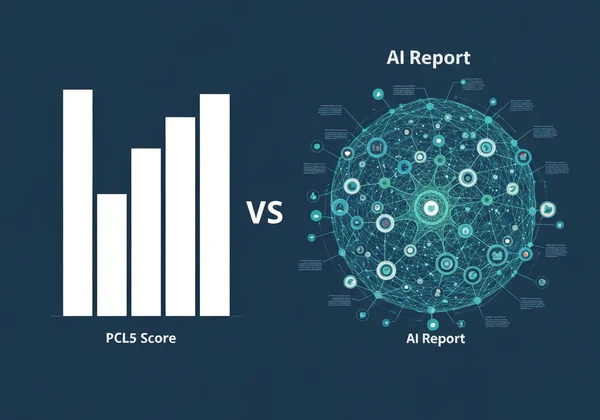
What is the PCL5 AI Report & How it Works
The PCL5 AI Report is an optional, advanced feature designed to translate your PCL5 assessment results into a comprehensive, personalized narrative. Think of it as a bridge between your raw score and a meaningful understanding of how your symptoms manifest. While the free PCL 5 test provides the "what" (your symptom severity score), the AI report provides the "how" and "why," offering a deeper context that a single number cannot capture. The PCL-5 itself, developed by the U.S. Department of Veterans Affairs' National Center for PTSD, is a highly respected tool, and our report aims to make its results even more accessible and useful for you.
Why a Standard PCL5 Score Isn't Enough for Deep Understanding
A PCL5 score is an excellent screening tool that measures the severity of PTSD symptoms according to DSM-5 criteria. It tells you if your symptoms are mild, moderate, or severe. However, two people with the exact same score can have vastly different experiences. One person might struggle intensely with intrusive memories but have minimal issues with avoidance, while another may experience the opposite.
A standard score doesn't capture these nuances. It cannot show the subtle interplay between different symptom clusters, identify which symptoms have the most significant impact on your life, or highlight your unique areas of resilience. This is where a more advanced analysis becomes invaluable for achieving a deeper understanding.
The Advanced Technology Behind Your Personalized PTSD Analysis
Our AI report utilizes sophisticated algorithms to conduct a personalized PTSD analysis. When you opt to generate the report, the system analyzes your responses to the 20-item PCL 5 questionnaire. It's not just adding up numbers; the AI is trained to recognize patterns and correlations that are often invisible to the naked eye.
The technology examines the relationships between your answers, identifying dominant symptom clusters and potential secondary impacts. It cross-references these patterns with a vast, anonymized knowledge base to generate insights tailored specifically to your response profile. This process allows us to provide a detailed, easy-to-understand report that feels personal and relevant, guiding you toward clarity. Ready to see the technology in action? Take the PCL 5 test today.

Personalized PTSD Symptom Analysis: Beyond General Scores
The core advantage of the PCL5 AI report is its move away from generic interpretations. Your journey and your responses are unique, and your analysis should be too. Instead of providing broad statements that apply to anyone with a certain score, the AI-driven report delivers a truly personalized PTSD symptom analysis, focusing on the specific ways symptoms affect you.
This level of detail empowers you with self-knowledge, helping you articulate your experiences more clearly, whether for personal reflection or when speaking with a mental health professional. It transforms the PCL5 from a simple screening tool into a powerful instrument for self-discovery and a starting point for meaningful change.
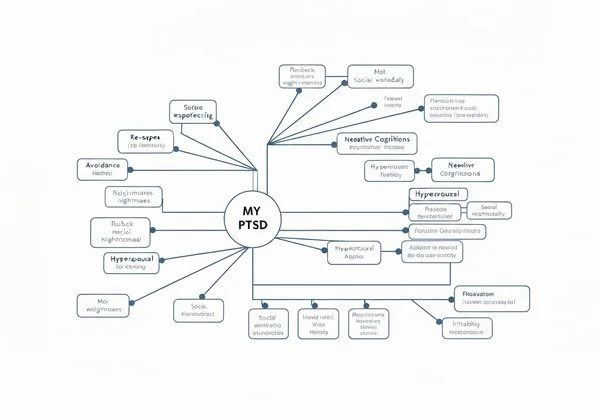
Identifying Your Unique Symptom Patterns and Their Impact
No two people experience trauma in the same way. The AI report excels at identifying your unique symptom patterns. For example, it can highlight if your primary challenges are related to re-experiencing symptoms (like flashbacks and nightmares) or hyperarousal (like being easily startled or having trouble sleeping).
Furthermore, the report explains how these specific patterns might influence one another. It might show how avoidance behaviors could be connected to heightened anxiety, creating a cycle that is difficult to break. By mapping these connections, you gain a clearer picture of your internal landscape, which is the first step toward navigating it effectively. This personalized insight is available after you complete the confidential PCL5 assessment.
How AI Insights Connect Symptoms to Daily Life & Functioning
It's one thing to recognize your symptoms; understanding how they truly impact your daily life is another, and it's a crucial step towards healing. The AI report is designed to bridge this gap. It provides context on how your identified symptom patterns might be affecting different areas of your life, from relationships and work to overall well-being.
For instance, the report might suggest that difficulties with concentration (a common PTSD symptom) could be contributing to challenges at work. Or it might explain how emotional numbness could be affecting your personal relationships. These insights make the abstract concept of a "symptom" concrete and relatable, helping you pinpoint specific areas where you might need support. Explore these connections by taking our free PCL5 test.
Who Can Benefit from a PCL5 AI Report?
This detailed analysis is designed to be a valuable tool for a wide range of individuals, providing tailored benefits whether you are just beginning to explore your symptoms or are a professional seeking to enhance client care.
For Individuals Seeking Clarity
If you are trying to make sense of your feelings and experiences, the AI report can be a powerful ally. It provides a structured, jargon-free explanation of your PCL5 results, transforming confusing feelings into understandable concepts. It can validate your experiences, helping you feel seen and understood. This newfound clarity can be the first step in reducing self-blame and building a path toward recovery, empowering you to have more informed conversations with loved ones or a healthcare provider.
For Therapists and Healthcare Providers
For mental health professionals, the PCL5 AI Report can serve as a valuable supplement to clinical assessment. When a client shares their report, it offers a quick, comprehensive snapshot of their symptom profile and subjective distress. It can highlight key areas for therapeutic focus, track symptom changes over time, and facilitate a deeper dialogue about how specific symptoms manifest in the client's daily life, ultimately helping to streamline the therapeutic process.
Actionable Insights & Guidance from Your PCL5 AI Report
True empowerment comes when understanding is paired with clear, actionable guidance. The AI mental health assessment does more than just analyze your past month's experiences; it helps you look toward the future. It's designed to be a constructive tool that empowers you with not only insights but also practical, forward-looking recommendations.
The report shifts the focus from problems to possibilities. It moves beyond a clinical description of symptoms to provide a balanced view that includes your inherent strengths and potential pathways forward. This approach is designed to foster hope and provide a sense of agency on your healing journey.

Uncovering Personal Strengths and Resilience Factors
Healing is not just about addressing challenges; it's also about recognizing and leveraging your strengths. A unique feature of the PCL5 AI Report is its ability to identify potential resilience factors based on your responses. Even in the face of significant distress, people possess incredible inner resources.
The report may highlight areas where you show lower symptom distress, suggesting underlying strengths you can build upon. It might point to coping mechanisms you're already using, even if you weren't consciously aware of them. By bringing these strengths to light, the report provides a more balanced and hopeful perspective, reminding you that you are more than your symptoms.
Tailored Recommendations for Next Steps & Professional Support
After providing a comprehensive analysis, the AI report offers tailored, actionable next steps. This guidance is not a generic prescription but is based on your specific symptom profile. For instance, if hyperarousal symptoms are high, it might suggest grounding techniques or mindfulness exercises. If avoidance is a key pattern, it may recommend small, manageable steps toward re-engagement.
Crucially, the report emphasizes that it is a tool for understanding, not a replacement for professional care. It serves as an excellent starting point for a conversation with a therapist or counselor. When you are ready, finding the right help is a sign of strength, and resources like the National Alliance on Mental Illness (NAMI) can be a great place to start. You can get your score and unlock these insights.
Your Path Forward: Unlocking Deeper Understanding with the PCL5 AI Report
A PCL5 score is a starting point, but the AI-driven report is your detailed map. It transforms a number into a narrative, offering personalized insights, identifying unique symptom patterns, and uncovering personal strengths. Most importantly, it provides you with actionable guidance to help you navigate your next steps with confidence and clarity.
Don’t settle for just a score. Empower yourself with the deep, nuanced understanding you deserve. Take the free, confidential PCL5 online test on our website today, and then choose to unlock your personalized AI report to begin a more informed journey toward well-being.
Frequently Asked Questions About the PCL5 AI Report
Can the PCL5 AI report diagnose PTSD?
No, it is very important to understand that the PCL5 assessment and the accompanying AI report are screening and informational tools, not diagnostic instruments. They can help you understand your symptoms and their severity based on the official DSM-5 criteria for PTSD, but they cannot provide a clinical diagnosis. A formal diagnosis of PTSD can only be made by a qualified mental health professional after a comprehensive evaluation.
How does the AI report differ from a basic PCL5 score?
A basic PCL5 score is a single number (from 0-80) that indicates the overall severity of your PTSD symptoms. The AI report, however, provides a multi-faceted analysis. It breaks down your score into symptom clusters, identifies your unique patterns of response, explains how these symptoms might impact your daily life, and offers personalized strengths and recommendations. It provides the "story" behind the score. You can discover your results to see the difference.
Is my data confidential and secure when using the PCL5 AI report?
Absolutely. We prioritize user privacy and data security above all else. Our platform operates with strict confidentiality. Your individual responses are anonymized and used solely for the purpose of generating your score and your optional AI report. We employ robust security measures to ensure your data is always protected. You can confidently use our secure PCL5 assessment.
What is the difference between PCL5 and PCL-5?
There is no difference in the tool itself; "PCL5" and "PCL-5" refer to the same thing: The PTSD Checklist for DSM-5. The hyphenated version ("PCL-5") is the official designation used in academic and clinical literature. The non-hyphenated version ("PCL5") has become a common and widely used shorthand online. Both terms point to the same 20-question self-report measure for PTSD symptoms.
What age is the PCL5 suitable for?
The PCL-5 (PTSD Checklist for DSM-5) is designed and validated for use with adults (18 years and older). It is not intended for use with children or adolescents, as their symptom presentation can differ. For younger individuals, specialized trauma assessments administered by a child and adolescent mental health professional are recommended.