PCL5 & PTSD Grounding: 10 Techniques to Manage Symptoms
Navigating the impact of flashbacks, anxiety, or feelings of detachment from past trauma can be profoundly challenging. Thankfully, immediate and powerful tools exist to help you stay anchored in the present: PTSD grounding techniques. These are common experiences for individuals dealing with Post-Traumatic Stress Disorder (PTSD), but there are powerful, immediate tools that can help. This guide explores PTSD Grounding techniques designed to pull you out of the storm of distressing memories and emotions and anchor you firmly in the here-and-now. What are the 20 symptoms of PTSD, and how can you begin to manage them? The first step is awareness, and a great way to start is to understand your symptoms with a confidential assessment.

Understanding PTSD Symptoms & The Need for Grounding
Before diving into the techniques, it's helpful to understand why they are so effective. PTSD can often make you feel like you are reliving a traumatic event, causing your mind and body to react as if the danger is still present. This experience can manifest as intense emotional and physical reactions. Grounding techniques work by interrupting this cycle. They redirect your focus away from the distressing internal experience and onto the external world, using your senses to confirm that you are safe in the present moment.
What is Dissociation in PTSD and How Grounding Helps?
Dissociation is a common symptom where you might feel disconnected from your thoughts, feelings, memories, or even your own body. It can feel like you’re watching yourself in a movie or that the world around you isn't real. This is a protective mechanism your brain uses to cope with overwhelming stress. Grounding acts as a direct counter-response. By intentionally engaging your senses—touch, sight, sound, smell, and taste—you send a clear signal to your brain that you are physically present and safe, gently pulling your awareness back into your body.
Overcoming Overwhelm: Flashbacks, Anxiety, and Hyperarousal
Beyond dissociation, you might experience flashbacks, where intrusive memories feel incredibly real, or hyperarousal, a state of constant high alert. These symptoms keep your nervous system in overdrive, fueling anxiety and exhaustion. Grounding exercises help soothe this response by providing a focal point other than the perceived threat. They create a mental pause, giving your nervous system a chance to regulate. If these experiences sound familiar, taking a PCL 5 test can help you identify and name these patterns, which is a powerful step toward managing them.
Sensory Grounding Techniques for Immediate Relief
Sensory grounding techniques are often the most effective for immediate relief because they are simple, tangible, and directly engage your body's connection to the present environment. Here are a few to try.
The 5-4-3-2-1 Method: Engaging Your Senses
This is one of the most well-known and effective sensory grounding techniques. It walks you through your five senses to bring your full awareness to the present. Wherever you are, pause and gently notice:
-
5 things you can see: Look around and name five objects. Notice their color, shape, and size. (e.g., "I see a blue pen, a green plant, a wooden desk...")
-
4 things you can feel: Bring your attention to the sensation of touch. (e.g., "I can feel the smooth surface of my phone, the soft fabric of my sweater...")
-
3 things you can hear: Listen carefully to the sounds in your environment. (e.g., "I hear the hum of the computer, a bird chirping outside...")
-
2 things you can smell: Take a deep breath and identify two scents. (e.g., "I can smell my coffee, the scent of soap on my hands...")
-
1 thing you can taste: Notice one thing you can taste, or take a sip of water and focus on the sensation.

Using Temperature & Touch: Holding Ice or Feeling Textures
Temperature and texture are powerful anchors. The strong, undeniable sensation can cut through mental fog quickly. Try holding a piece of ice or a cold can of soda in your hand, focusing entirely on the feeling of cold. Alternatively, run your hands under cool or warm water. You can also carry a "grounding object" with a distinct texture, like a smooth stone, a piece of rough fabric, or a spiky stress ball, to focus on when you feel overwhelmed. This type of self-care for trauma is about using simple tools to provide immediate comfort.
Noticing Sounds & Smells: Anchoring to Your Environment
Your senses of hearing and smell are directly linked to the memory and emotional centers of your brain, making them powerful tools for grounding. Focus on listening to all the individual sounds around you, from the loudest to the most subtle. You can also use a strong, pleasant scent to anchor yourself. Carry a small bottle of a calming essential oil like lavender or a stimulating one like peppermint. When you feel distressed, take a moment to inhale the scent deeply and focus only on that aroma.
Cognitive Grounding Strategies for Mental Calm
While sensory techniques focus on the body, cognitive grounding helps by engaging your thinking mind. These mental exercises redirect your focus from emotional distress to neutral, logical tasks.

Anchoring with Positive Affirmations & Self-Talk
When your mind is racing with fear or negative thoughts, you can ground it with positive affirmations and factual self-talk. This isn't about ignoring your feelings, but rather about reminding yourself of the present reality. Repeat phrases that anchor you to the here-and-now. Examples include:
- "My name is [Your Name]."
- "I am in [Your City, State]."
- "Today is [Day of the week, Date]."
- "I am safe right now."
- "This feeling is temporary and will pass."
Mental Exercises: Counting, Categorizing, and Describing
Engage the logical part of your brain with simple mental tasks. These exercises require enough focus to interrupt intrusive thoughts but are not so complex as to be stressful.
- Categorize: Look around the room and mentally name all the objects that are a certain color (e.g., all the blue things) or belong to a category (e.g., all the things made of wood).
- Count: Count backward from 100 by 7s. This requires concentration and pulls your focus away from emotional turmoil.
- Describe: Choose an object nearby and describe it in immense detail, as if you were explaining it to someone who has never seen it. Notice its color, texture, weight, shape, and function. A key part of recovery is assessing your symptoms to understand your triggers.
Physical Grounding Exercises for Body Awareness
Physical grounding connects your mind back to your body, reminding you that you have control and are present in a physical space. These exercises are particularly helpful for counteracting feelings of numbness or detachment.
Deep Breathing & Progressive Muscle Relaxation
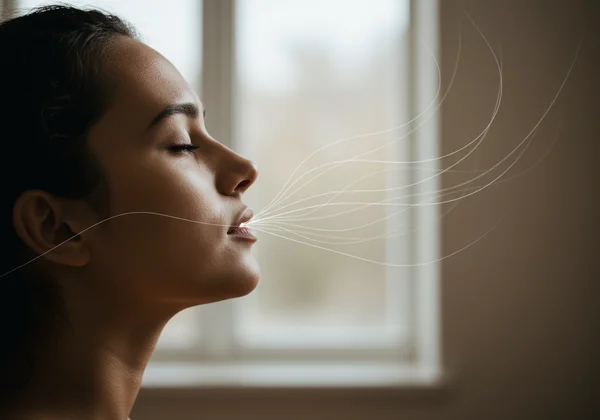
Your breath is your body's built-in calming tool. Try box breathing: inhale slowly for a count of four, hold your breath for four, exhale slowly for four, and hold for four. Repeat this several times. For progressive muscle relaxation, start with your toes, tensing the muscles for five seconds and then releasing them completely. Work your way up your body—calves, thighs, stomach, arms, shoulders—tensing and releasing each muscle group.
Gentle Movement: Walking, Stretching, or Stomping Feet
Movement can dispel pent-up energy from anxiety or hyperarousal. Go for a short, mindful walk, paying close attention to the sensation of your feet hitting the ground. If you're indoors, stand up and do some gentle stretches, noticing how each movement feels in your body. You can also simply stomp your feet firmly on the floor a few times, focusing on the solid connection between you and the ground beneath you.
The Butterfly Hug: Self-Soothing Through Bilateral Stimulation
The Butterfly Hug is a simple self-soothing technique. Cross your arms over your chest, with your fingertips resting just below your collarbones. Then, slowly and rhythmically, tap your hands on your chest, alternating between left and right, like the flapping of a butterfly's wings. This bilateral (two-sided) stimulation can be very calming for the nervous system. Continue for as long as it feels comfortable. Understanding your needs is a journey, and taking a confidential PCL5 test can be a supportive first step.
Finding Your Calm: Continuing Your Path to Healing & Support
Ultimately, grounding techniques offer invaluable support for navigating distressing PTSD symptoms with greater control and resilience. They empower you to navigate distressing experiences with greater control and resilience. Remember that healing is a process, and being kind to yourself is essential. Finding the techniques that work best for you may take some experimentation.
Understanding your specific symptoms is a foundational part of this journey. To gain clearer insight, you might consider taking our free and confidential PCL5 online test. It provides an immediate severity score based on the official DSM-5 criteria and offers the option to unlock a unique AI-driven report for personalized analysis and actionable advice.
Grounding for PTSD: Common Questions Answered
Why are grounding techniques essential for managing PTSD symptoms?
Grounding techniques are essential because they provide an immediate, in-the-moment intervention for core PTSD symptoms like flashbacks, dissociation, and hyperarousal. They break the cycle of reliving trauma by pulling your awareness back to the safety of the present, helping to regulate your nervous system and reduce the intensity of emotional distress. They are a practical skill that empowers you to manage symptoms as they arise.
How often should I practice grounding exercises for PTSD?
It's beneficial to practice grounding exercises regularly, even when you're feeling calm. This helps you become familiar and proficient with them, making it easier to use them effectively during moments of high stress. Aim to practice a few different techniques daily. When you feel triggered or overwhelmed, you can then use them as an immediate coping skill.
Can grounding techniques replace professional PTSD therapy or diagnosis?
No, this is a critical distinction. Grounding techniques are a valuable coping skill for symptom management, but they are not a substitute for professional diagnosis or therapy. They are one part of a comprehensive recovery plan. A tool like the PCL5 assessment is a screening measure to help you understand your symptoms, not a diagnostic tool. Always consult with a qualified mental health professional for an accurate diagnosis and treatment plan.
What if a specific grounding technique doesn't work for me?
That is completely normal. Not every technique works for every person or in every situation. The key is to experiment and find a handful of techniques that you can rely on. If a sensory technique like the 5-4-3-2-1 method feels overwhelming, try a physical one like stomping your feet or a cognitive one like counting. Be patient and compassionate with yourself as you discover your personal toolkit for PTSD coping skills.