How PCL5 Scores Reveal PTSD’s Impact on Daily Life
Introduction Your PCL-5 score isn't just a number—it's a personal reflection of how trauma may be influencing your daily experiences. Whether you've recently taken the PTSD Checklist assessment or are exploring how symptoms manifest in real life, understanding these impacts can be the first step toward meaningful change.
PTSD symptoms rarely stay contained. They spill into your work, relationships, and even your physical health—disrupting routines you once took for granted. This guide translates clinical understanding into practical insights about what your score might reveal about your daily functioning.

For those who haven't yet taken the official PCL-5 test, you can start your confidential PCL5 test in about 5 minutes. Your score becomes the foundation for recognizing patterns—and when you're ready, unlocking personalized AI analysis.
Let's explore how different PTSD symptom clusters affect three crucial life areas:
How High PCL5 Scores Disrupt Work & Productivity
Trauma's invisible weight often makes its first appearance in the workplace. You might notice your performance slipping even when trying your hardest—this isn't about willpower but about how PTSD literally changes cognitive processing.
Concentration Challenges & Missed Deadlines
The re-experiencing symptoms captured in PCL-5 questions #1-5 (like intrusive memories) create constant mental static. What looks like distraction to colleagues often feels like:
-
Fighting mental "pop-up ads" when working on tasks
-
Spending 2-3x longer on simple documents due to re-reading
-
Making uncharacteristic errors despite double-checking

"I'd start writing an email purpose of meeting, then suddenly be back in Desert seeing my buddy's humvee hit IED. Took me 45 minutes to write three sentences." – Anonymous user of our AI symptom report
Managing Workplace Triggers Like Loud Noises
Hyperarousal symptoms (PCL-5 items #14-17) turn routine environments into minefields of hidden triggers. Office sounds—printers jamming, chairs scraping—might send your heart racing. Strategies that help:
- Using noise-canceling headphones during focused work
- Positioning desks facing entrances to reduce the startle response
- Taking "sensory breaks" in quiet spaces
For those with scores above 38 (moderate severity), the AI-generated report identifies your most disruptive symptoms—get personalized coping strategies based on your responses.
Relationships & Social Life: Navigating PTSD Symptoms
PTSD doesn't just live in your mind—it alters how you connect. The avoidance and negative mood symptoms tracked in PCL-5 questions #6-13 create relationship patterns many find confusing.
Emotional Numbness & Intimacy Barriers
If you checked 'Distant from others' on your PCL-5, you might notice subtle signs. Maybe hugs feel mechanical, or conversations leave you emotionally numb. For many, this also shows up as:
- Sitting through dinners feeling emotionally "muted"
- Finding it hard to feel present with loved ones
- Avoiding eye contact even with trusted partners
Anger Outbursts & Conflict Resolution
Losing your keys or a friend running late shouldn’t cause rage—but with PTSD, they often do. The guilt afterward only deepens the wound. Managing this involves recognizing early signs like:
- Unexplained muscle tension in your shoulders or jaw
- A sudden overheating sensation
- Auditory "tunneling" where voices sound louder
Pro tip: Users who unlocked their AI symptom report discovered which relationship triggers were most impactful for their unique score—see your relational patterns with our optional analysis.
Self-Care & Physical Health Challenges
PTSD wears down the body as relentlessly as the mind. Research confirms trauma survivors have higher rates of chronic pain, autoimmune disorders, and sleep conditions—directly tied to PCL-5-measured symptoms.
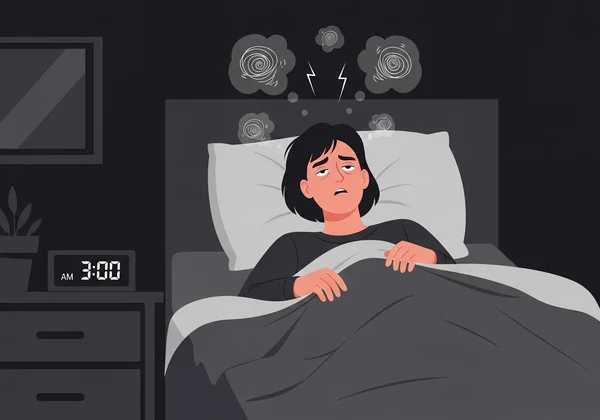
Insomnia Cycles & Fatigue Patterns
Items #18 (sleep trouble) and #16 (watchfulness) often create exhaustion feedback loops:
-
Waking instantly at small noises (sleep maintenance insomnia)
-
3 AM mental replays of traumatic events
-
Daytime performance slumps despite caffeine
-
Avoiding exercise due to pure exhaustion
Hypervigilance’s Toll on the Body
A constant "orange alert" state (PCL-5 item #17) can show up physically as:
- Jaw pain from unconscious clenching
- Tension headaches from a perpetually furrowed brow
- Digestive issues from a suppressed "fight-or-flight" response
"Only after seeing my PCL5 AI Report did I connect my TMJ pain and IBS flare-ups to hypervigilance. Game-changer." – Verified user review
Turning Your PCL5 Score Into Actionable Insights
Your PCL-5 score highlights your toughest challenges—and gives you the power to tackle them head-on. With your results in hand, here’s how to start reclaiming your daily life:
- Recognize which life areas need priority (work, relationships, or health).
- Name your most disruptive symptoms using the clear language of the PCL-5.
- Target interventions that address your specific struggles, not generic self-help.
For guidance tailored to your specific symptom profile, take the confidential PCL-5 test—then consider unlocking the optional AI report for:
- Customized coping strategies
- Symptom trend predictions
- Communication scripts for explaining PTSD impacts to others
Trauma reshapes lives, but understanding is the first step to reshaping it back.
Your PCL5 Life Impact Questions Answered
How Does My PCL5 Score Influence PTSD Recovery Timelines?
While scores indicate symptom severity, recovery depends on factors like:
- The type and duration of the trauma
- The quality of your support system
- The timing of early intervention Our AI analysis can help identify recovery facilitators specific to your history.
Why Do I Struggle Socially Even With Moderate Symptoms?
PTSD impacts relationships disproportionately because symptoms are often invisible. People don't see the internal struggle of avoidance or numbness, and managing those symptoms exhausts your social reserves. The unlock your AI-driven symptom report helps explain your relational impacts in understandable terms.
How Might My AI Report Improve Daily Functioning?
Unlike generic PTSD advice, your report: 📌 Ranks your most disruptive symptoms 📌 Links behaviors (e.g., cancelling plans) to their symptom roots 📌 Provides "stepping-stone" goals matched to your score